In Conversation with
BassamFellows

BassamFellows is a furniture and design house dedicated to Modernism, craftsmanship and beauty. Renowned for their exceptional materiality and distinctive creativity and character, the brand has taken shape over two decades and three continents, building a design language accented by purity, refinement and visual pleasure. 

Founded by Australian Architect Craig Bassam and American Creative Director Scott Fellows, the brand launched in Switzerland in 2003 and is now based in Connecticut; a location with a rich history of Modernism from the early 20th century onwards. 

BassamFellows collections come from an appreciation of, and devotion to, construction and craft; constantly developing new ways to produce work that is as modern as it is timeless, and an inspiration and pleasure to live with.

Explore BassamFellows

What role does authenticity play in your design process, and how do you balance tradition with innovation?

All our furniture designs are born from a need or design problem when furnishing actual spaces. Each of our pieces has an origin story – a particular architectural or interior project that initiated the design solution. Our collection has grown organically over time in this way, not by any kind of merchandising plan. This process relates to our belief that architecture is not fully understood until it is inhabited – furniture is the way you experience architecture. In other words, the act of planning and furnishing architectural spaces uncovers needs and that drives innovation. 

Kaare Klint, considered by many to be the founder of Modern Danish design, taught his students to start the design process with a “chair from a good, old family.” What he meant is archetypes exist for a reason – they have been tried and tested for generations. He believed tradition was the basis for innovation. We practice this “art of refinement” and base many of our designs on archetypes such as our Mantis Chair – based on an all-wood courthouse, or banker’s chair from the turn of the last century. Like those, our chair is carved and shaped for ergonomics, but we have eliminated cross braces and seat supports – the Mantis seat alone acts a structural plate and gives the chair it’s distinctive visual lightness.

How do your different perspectives influence the creative process?

Craig is the author of all our designs and as an architect he is focused on creating spaces and furniture that move modernism forward by blending proportion and utility with materiality, detail, and personality. My background as a former fashion executive brings a heightened aesthetic awareness and a keen sense of luxury, detail, and branding.

Nature, materiality, and tactility seem central to your work. Can you share a project where the choice of material drove the entire design?

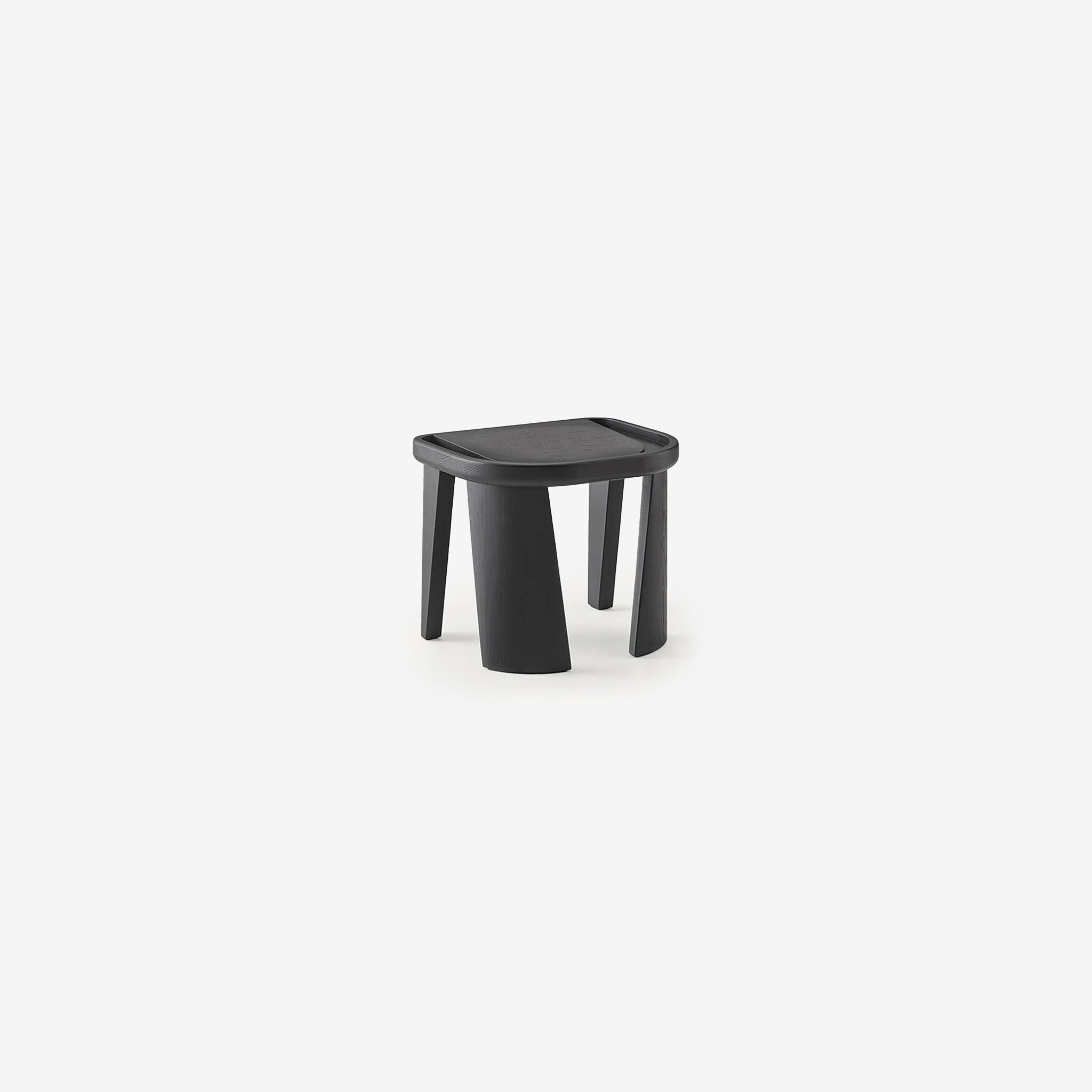
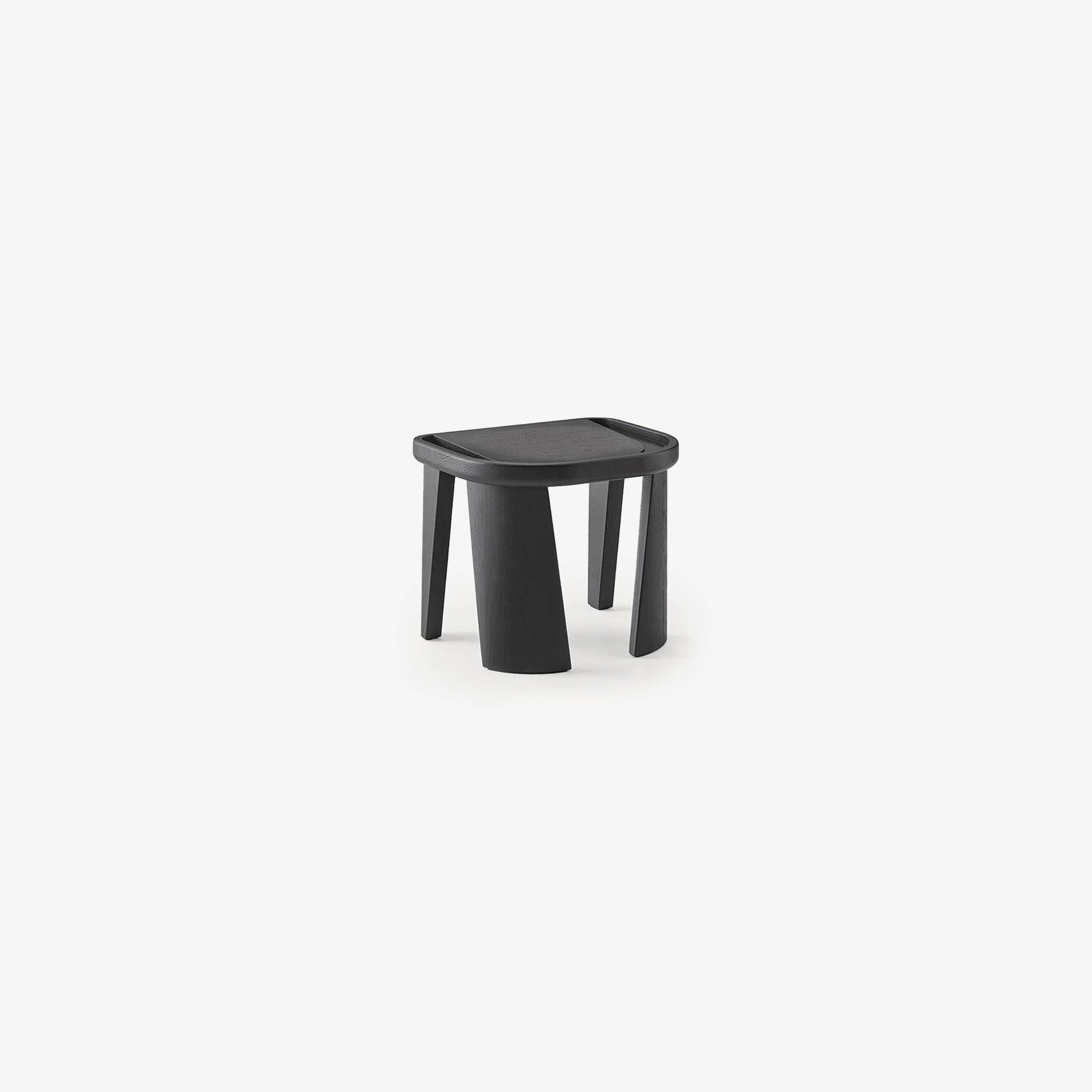
The first product we ever commercialized was our Tractor Stool. The Tractor Stool was based on a tractor seat shape. Historically, the tractor seat was designed for comfort over long hours to align the spine without the need for a back. Countless other designers have used the archetype in their designs, but our innovation was to carve the shape from a solid block of wood rather than stamped steel. The materiality of the carved wood block drove the entire design, and carved solid wood became an on-going signature for our brand.

You’ve mentioned influences ranging from modernist masters to artisanal traditions. Who or what is inspiring you most right now?

Right now, we are working on the restoration of a very early modernist building from 1935. The building was directly influenced by Corbusier’s early buildings and is inspiring us to use our established signatures in new ways – subtle curves, carved wood, steel – together with new color, rich fabrics and marble.

Which voices in contemporary art, design, or culture excite you at the moment?

We are most inspired by contemporary architecture and interiors. Almost without fail, the projects we are most drawn to are in five countries – Australia, New Zealand, Belgium, Greece and Brazil. We are probably drawn to these countries because the architects and designers seem to be on our same wavelength. We are all trying to continue a line of thinking that began with the modernists and hasn’t finished yet. Also, the projects are all rooted in nature.

How do you balance looking back to the masters of modernism with staying attuned to what’s happening in contemporary design?

We are not trend driven so we do not respond to design seasons, fashion cycles, or market movements. At the same time, we are not nostalgic for a moment in design history. Mid-century is a period, and what we are doing is a position.

You live and work in Connecticut, surrounded by some of America’s most iconic modernist architecture. How does that environment shape your daily life and design thinking?

Not only are we surrounded by some of America’s most iconic modernist architecture, we are preserving it, interpreting it and inhabiting it. Modern architecture is not only an object of preservation. It is a way of living, working, thinking, making, and gathering. We see this as our “cultural mission” – to be custodians of living modernism. 

This cultural mission shapes everything we do – modern architecture as lived experience – furniture as a bridge between body and building – craft as a preservation ethic – hospitality as education – private stewardship as public cultural value – design to carry modernism forward.

With your headquarters in a restored Philip Johnson building and a showroom in Milan, how do these very different contexts influence your creativity and the way you position the brand globally?

The Connecticut context is fundamental to our version of an “American life.” Our version is optimistic, shaped by New England practicality and restraint, surrounded by nature, and resolutely Modern. 

The Milan context (and Italy more broadly) is fundamental to our notions of luxury, artisanal craft, materiality and timelessness. 


Do you cook, collect, or cultivate anything at home that informs your creative process?

Craig has been a long-time collector of classic cars, Mercedes in particular. The build quality, materiality, craft, and even colors have continually inspired our creative process. Back then, Mercedes didn’t create from a marketing perspective, it engineered the best product it could make and then launched it to the market. There is something so inspiring about the mix of engineering/functionality, beauty, luxury, timeless design, and innovation from that time in Mercedes history that ended more than 30 years ago. We are always striving to achieve a similar mix today. 

You built BassamFellows with a focus on furniture, and have since expanded into lifestyle and fashion categories including cashmere, bags, sunglasses, candles, and ready-to-wear. What inspired that expansion, and how do you see the relationship between these worlds.

Fashion is all about moving the eye forward with newness every season. Buildings on the other hand, should be designed forever (or so we believe). We also believe furniture is much closer to architecture than fashion. We set out to design our lifestyle products with the same design intent as our furniture. What would the perfect boot look like if it were to last 50 years and remain relevant? The perfect sneaker? The perfect bag? The perfect cashmere t-shirt? We wanted these pieces to form the core of your wardrobe, much like we want our furniture to form the core of your home.